
January 06, 2026 Homeowner
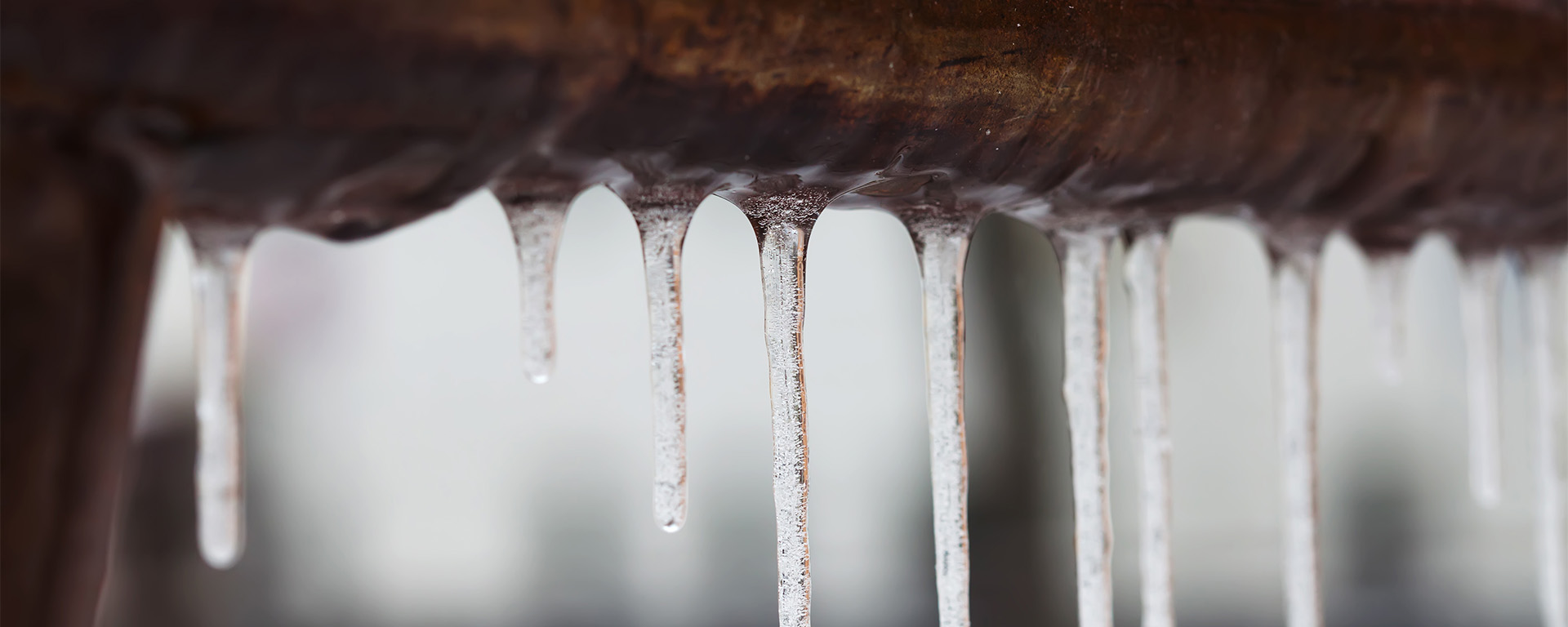
Protect your home from frozen pipes
When preparing your home for winter, it’s important to address several key areas. After securing the exterior and ensuring safe heating, turn your attention to your pipes.
Frozen pipes can burst, leading to significant water damage and costly repairs. The best way to avoid these expenses is to take preventive steps before temperatures drop.
How to prevent frozen pipes
- Disconnect outdoor water hoses, drain them and store them for the season
- Allow cold water to drip from faucets connected to exposed pipes during freezing weather. Even a small trickle helps prevent freezing
- Close the interior shut-off valve for outdoor faucets, drain the pipes, and install a faucet insulator from a home improvement store. In a pinch, wrap the pipe with a towel, cover it with a plastic bag and secure it with duct tape to keep moisture out
- Keep garage doors closed if water lines run through the garage. Inside your home, open kitchen and bathroom cabinets to let warm air circulate around pipes
- Set your thermostat to at least 68°F. If you’re traveling, keep the heat on and maintain a minimum temperature of 55°F. It may cost a little more, but it’s far less expensive than repairing water damage
Thawing frozen pipes
If you notice only a trickle of water from a faucet, a pipe may be frozen. You can thaw it by wrapping the pipe with towels soaked in hot water or using a hair dryer. Never use electrical devices near standing water, as this can cause electric shock or death.
Leave the faucet open while thawing so water can flow out. Start warming the pipe closest to the faucet and work outward.
If a pipe bursts
Act quickly. Shut off the main water supply immediately, call a plumber, and remove as much water as possible to reduce mold and damage. Fast action can make a big difference in repair costs and recovery time.
Why home insurance matters
Even with the best precautions, accidents happen. A burst pipe can lead to thousands of dollars in water damage, repairs, and potential mold remediation. Homeowners insurance typically covers sudden and accidental water damage from burst pipes, but coverage can vary by policy.
Here are a few tips to protect yourself financially:
- Review your policy to understand what’s covered and what exclusions apply
- Check your deductible so you know your out-of-pocket costs if you file a claim
- Consider additional coverage if you live in an area with extreme winter temperatures or an older plumbing system
Preventive maintenance is your first line of defense but having the right insurance coverage ensures peace of mind when the unexpected happens.
Making smart student loan decisions
Armed Forces Insurance: home insurance from people you can trust
Armed Forces Insurance has been a trusted advisor to American armed forces service members and veterans for more than 135 years. We’re not a giant corporate skyscraper full of slick insurance executives. We’re a small company headquartered just down the road from Fort Leavenworth in Kansas. We know each other, and our customers know us. If you’re looking for someone you can trust to shoot you straight and help you protect your home and property, check out our homeowner insurance page. page.
Learn more about home insurance:
Understanding your insurance deductibles